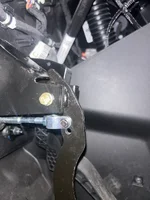
Thanks for the information.About 1 inch li length. 76 is to long hits the spring on shock.
Oh Vince, the braking on the Xpeditions has been a topic of complaints for a long time now.I’m surprised no one has said anything but the brakes on these things suck. Has anybody come up with a resolution? I see that they make rotor kits, but I have built cars for years and know that a rotor kit doesn’t help you need a big booster to make that happen
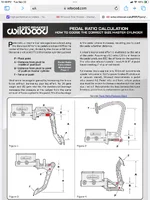
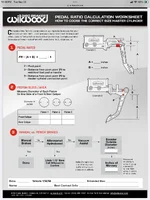
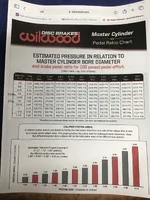
Great info. Thanks. Let us know how it doesGood morning, also working on the brake problem. The master cylinder stock has a 19mm bore, the so called upgrade has a bore of 22mm. The chart from Wilwood brakes show a decrease in line pressure. Something that I tried is changing my pedal ratio, by raising the hole in the brake pedal by a 1/2 inch. This increased the line pressure, now I can get the rear brakes to lock up on cement roads. Overall braking has improved, because of increased line pressure. My brake pressure ratio went from 5.5 :1 to 7:1.
But why would you want to "lock up the brakes"? Something I like about the TPR Industries Big Brake kit is you can't lock the brake up. But my machine stops a whole lot quicker? Not sure what the bore is of the Master Cylinder.Good morning, also working on the brake problem. The master cylinder stock has a 19mm bore, the so called upgrade has a bore of 22mm. The chart from Wilwood brakes show a decrease in line pressure. Something that I tried is changing my pedal ratio, by raising the hole in the brake pedal by a 1/2 inch. This increased the line pressure, now I can get the rear brakes to lock up on cement roads. Overall braking has improved, because of increased line pressure. My brake pressure ratio went from 5.5 :1 to 7:1.
How much did moving that change the amount of pressure it takes to push the pedal? ThanksGood morning, also working on the brake problem. The master cylinder stock has a 19mm bore, the so called upgrade has a bore of 22mm. The chart from Wilwood brakes show a decrease in line pressure. Something that I tried is changing my pedal ratio, by raising the hole in the brake pedal by a 1/2 inch. This increased the line pressure, now I can get the rear brakes to lock up on cement roads. Overall braking has improved, because of increased line pressure. My brake pressure ratio went from 5.5 :1 to 7:1.
Hi, there was a reduction in pedal pressure. According to the pressure listings on the Wilwood chart. A 3/4” bore master cylinder at a 5:5 brake pedal ratio, has pressure of 1250 psi, when the pedal ratio increases to 7:1 it increases to 1590 psi. That’s about a 30% increase, and that’s what I think the pedal pressure has reduced too. Free travel of the pedal has increased and can be adjusted to lessen the travel. It just takes a drilled hole try it, if you don’t like it put it back the way it was. Have a good day, I’m going for a ride.How much did moving that change the amount of pressure it takes to push the pedal? Thanks
A suggestion. To me your experience says there is air in your brake lines or Master Cylinder. My General would have pretty good brakes, but now and again the pedal would go all the way to the floor and I had to steer to avoid things until the machine came to a stop. Then the brakes would come back and all was good. This happened more than just few times.Well, I drill the new hole 1/2” above the original hole like the above post. Gave it a try and for me, it didn’t seem to make it any better, actually made it a little worse. It felt like my brake pedal went all the way to floor and it wasn’t stopping my XPEDITION. Again, this is just my experience doing this with my ADV 5. Took me a couple of minutes to move it back to the stock brake position and back to normal. I’ll be looking at other ways to improve the brakes at a later time.